Decoding the Devil
As groundbreaking as Code Girls and Hidden Figures, this is the shocking true story of two segregated codebreaking units racing to unlock Stalin’s atomic secrets in the face of a rapidly expanding Soviet nuclear threat at the dawn of the Cold War.
Facing the global threat of a rising Communist world power in the aftermath of World War II, the U.S. employed hundreds of Black Americans to speed read Russian communications and gather essential information on the US’s most dangerous nuclear rival.
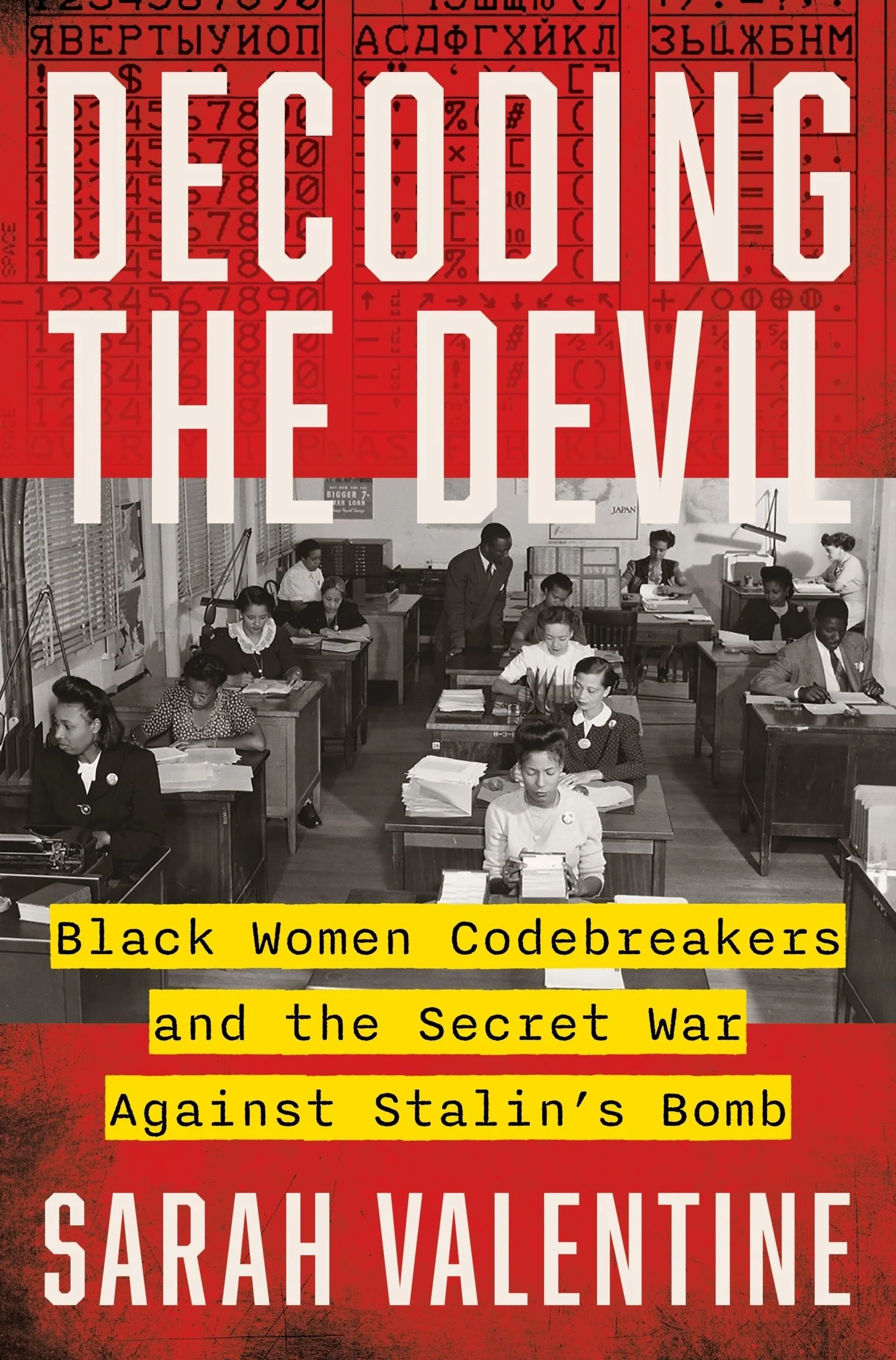
The result was the creation of a segregated civilian codebreaking unit known as the Traffic Processing Division—The Plantation. Despite wage discrimination, grueling hours, strict quotas, and harsh conditions, the Plantation’s 100 college-educated Black women made invaluable breakthroughs in United States’ Soviet intelligence even as the Red Scare and the backlash against civil rights eroded their democratic freedoms at home. Their underappreciated top-secret work led directly to victory over the USSR and the end of the Cold War thirty years later.
In this thrilling history, Sarah Valentine tells their remarkable story in full for the first time. Decoding the Devil pays long overdue tribute to these little-known Black cryptologists’ critical contributions to national security during the civil rights era, and offers a fresh perspective on the Cold War and American heroes of color.
As groundbreaking as Code Girls and Hidden Figures, this is the shocking true story of two segregated codebreaking units racing to unlock Stalin’s atomic secrets in the face of a rapidly expanding Soviet nuclear threat at the dawn of the Cold War.
Facing the global threat of a rising Communist world power in the aftermath of World War II, the U.S. employed hundreds of Black Americans to speed read Russian communications and gather essential information on the US’s most dangerous nuclear rival.
The result was the creation of a segregated civilian codebreaking unit known as the Traffic Processing Division—The Plantation. Despite wage discrimination, grueling hours, strict quotas, and harsh conditions, the Plantation’s 100 college-educated Black women made invaluable breakthroughs in United States’ Soviet intelligence even as the Red Scare and the backlash against civil rights eroded their democratic freedoms at home. Their underappreciated top-secret work led directly to victory over the USSR and the end of the Cold War thirty years later.
In this thrilling history, Sarah Valentine tells their remarkable story in full for the first time. Decoding the Devil pays long overdue tribute to these little-known Black cryptologists’ critical contributions to national security during the civil rights era, and offers a fresh perspective on the Cold War and American heroes of color.
Description
As groundbreaking as Code Girls and Hidden Figures, this is the shocking true story of two segregated codebreaking units racing to unlock Stalin’s atomic secrets in the face of a rapidly expanding Soviet nuclear threat at the dawn of the Cold War.
Facing the global threat of a rising Communist world power in the aftermath of World War II, the U.S. employed hundreds of Black Americans to speed read Russian communications and gather essential information on the US’s most dangerous nuclear rival.
The result was the creation of a segregated civilian codebreaking unit known as the Traffic Processing Division—The Plantation. Despite wage discrimination, grueling hours, strict quotas, and harsh conditions, the Plantation’s 100 college-educated Black women made invaluable breakthroughs in United States’ Soviet intelligence even as the Red Scare and the backlash against civil rights eroded their democratic freedoms at home. Their underappreciated top-secret work led directly to victory over the USSR and the end of the Cold War thirty years later.
In this thrilling history, Sarah Valentine tells their remarkable story in full for the first time. Decoding the Devil pays long overdue tribute to these little-known Black cryptologists’ critical contributions to national security during the civil rights era, and offers a fresh perspective on the Cold War and American heroes of color.